
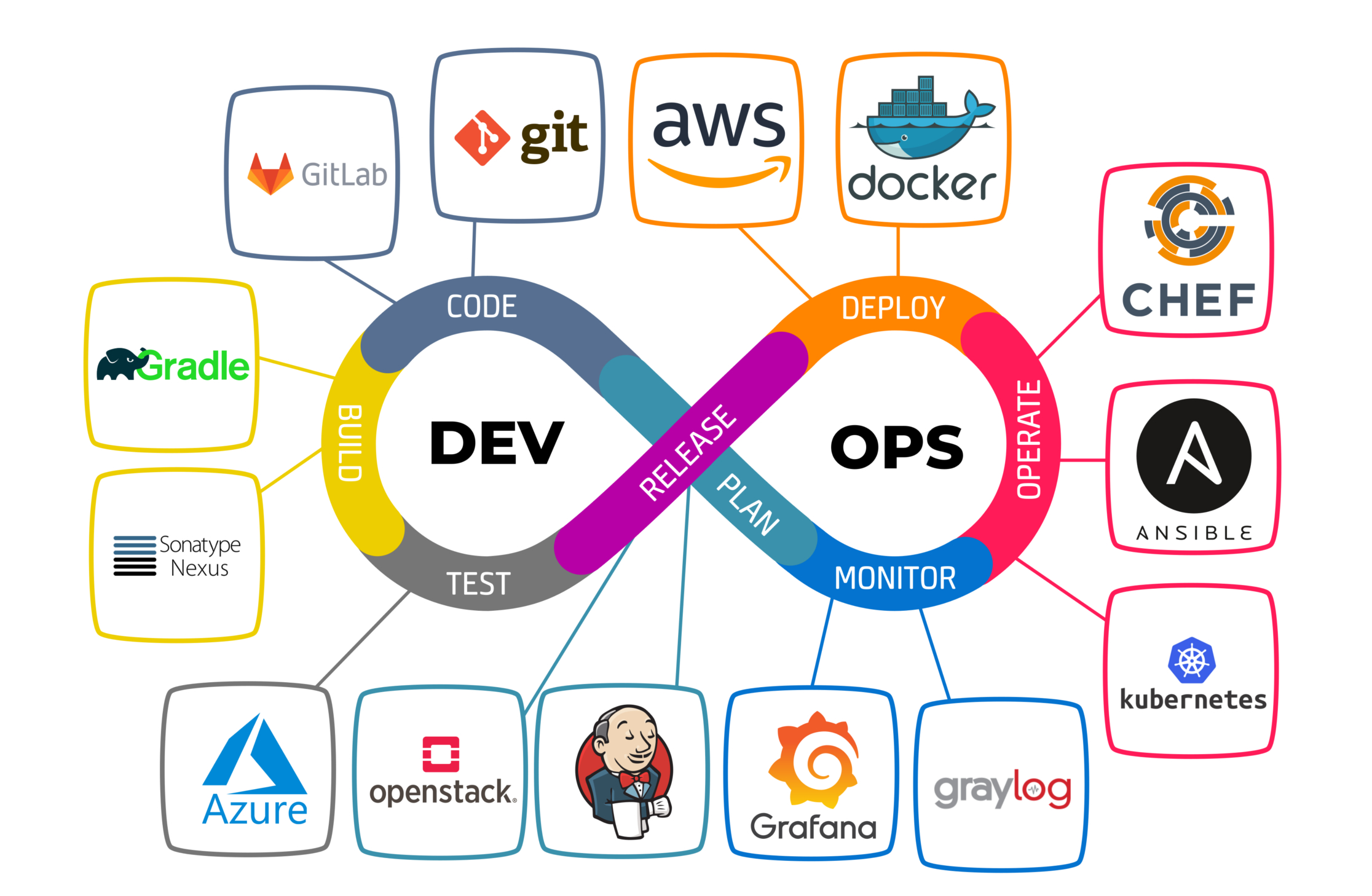
DevOps as a set of practices that combine software development (Dev) and IT operations (Ops) to shorten the development lifecycle while delivering high-quality software. A key component of this transformation is the use of specialized tools that streamline and automate various stages of the development lifecycle.
A key component of this transformation is the use of specialized tools that streamline and automate various stages of the development lifecycle.
Let's explore some of the most popular DevOps tools and how they work together to create efficient and effective workflows.
Git
The most widely used VCS, Git tracks changes to files and directories over time. It allows developers to collaborate on projects, create branches for different features or bug fixes, and merge changes back into the main branch.
CI/CD Tools
A popular open-source CI server that automates the build, test, and deployment processes. It can be integrated with various VCS and tools to create customizable pipelines.
Container Orchestration Platforms
The most popular container orchestration platform, Kubernetes automates the deployment, scaling, and management of containerized applications.
Monitoring and Logging Tools
An open-source monitoring system that collects metrics from various sources and provides real-time alerting
How These Tools Work Together
A typical DevOps workflow might involve the following steps:
- Developers commit their code changes to a version control system like Git.
- CI tools like Jenkins or CircleCI automatically build the code, run tests, and package the application.
- CD tools like Ansible or Puppet deploy the application to the desired infrastructure.
- Container orchestration platforms like Kubernetes or Docker Swarm manage the deployment and scaling of containerized applications.
- Monitoring and logging tools collect metrics and logs to help teams identify and resolve issues.
By effectively integrating these tools, DevOps teams can achieve faster delivery cycles, improved quality, and increased reliability.
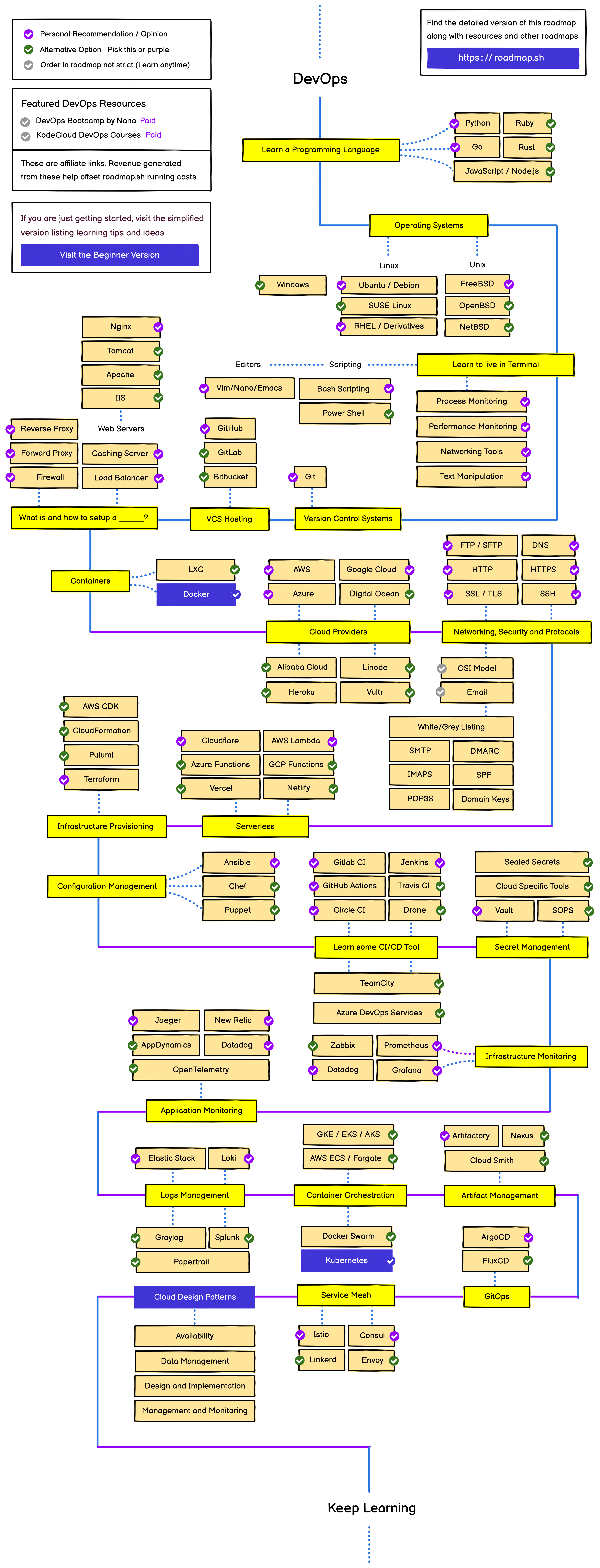
DevOps Roadmap
Request a Service
- Faster Time to Market
- Improved Collaboration
- Increased Efficiency through Automation
- Better Reliability and Scalability